Jalynn West world Employee Benefits Companies Explained Everything You Need to Know

Employee Benefits Companies Explained Everything You Need to Know


Small Group Health Insurance

How Employee Benefits Companies Support Employers

Employee Benefits Companies guide explores how modern organizations design and manage employee benefit programs that support workforce satisfaction, retention, and productivity. In today’s competitive hiring environment, benefits have become just as important as salary. Companies that specialize in employee benefits help employers build structured, cost-effective, and compliant programs that meet employee expectations while supporting long-term business goals.

Understanding Employee Benefits Companies

Employee benefits companies are specialized service providers that help businesses design and manage workplace benefit programs. These programs often include health insurance, retirement savings plans, paid time off structures, wellness initiatives, and other perks that improve employee well-being.

Instead of employers managing everything internally, these companies act as experts who simplify complex benefit systems. They evaluate business needs, compare available plans, and recommend tailored solutions that align with both financial capacity and workforce expectations, while ensuring efficiency, transparency, compliance, and long-term employee satisfaction across all levels.

Why Employee Benefits Matter for Businesses

Offering strong employee benefits is no longer optional. It plays a major role in attracting skilled talent and reducing employee turnover. Workers today look beyond salary and focus on long-term security, healthcare access, and work-life balance.

Businesses that provide strong benefit packages often experience:

  • Higher employee retention
  • Improved job satisfaction
  • Better productivity levels
  • Stronger employer branding

In competitive industries, benefits can be the deciding factor for candidates choosing between job offers.

Services Offered by Employee Benefits Companies

Employee benefits providers offer a wide range of services designed to support both employers and employees. These services typically include:

  • Health and medical insurance plan management
  • Retirement and pension plan setup
  • Employee wellness program development
  • Life and disability insurance options
  • Compliance and regulatory support
  • HR technology platforms for benefits administration

By outsourcing these tasks, companies can reduce administrative workload and ensure professional management of complex benefit systems.

Compliance and Legal Responsibilities

Managing employee benefits involves strict legal and regulatory requirements. Employers must follow guidelines related to healthcare coverage, retirement savings, and employee rights. Failure to comply can lead to penalties and legal issues.

For reliable regulatory guidance, organizations can refer to the U.S. Department of Labor’s Employee Benefits Security Administration here: U.S. Department of Labor EBSA.

This resource provides detailed information on fiduciary responsibilities, retirement plan rules, and healthcare benefit regulations. Employee benefits companies help businesses stay compliant by continuously updating policies and ensuring proper documentation.

Group Health Insurance Policy

Cost Management and Financial Efficiency

One of the biggest challenges for employers is balancing benefit quality with cost control. Employee benefits companies help businesses manage expenses without reducing coverage quality.

They achieve this by:

  • Comparing multiple insurance providers
  • Negotiating better group rates
  • Analyzing employee usage trends
  • Designing flexible benefit structures

This approach allows companies to offer competitive benefits while maintaining financial stability.

Technology in Employee Benefits Management

Technology has transformed how employee benefits are delivered. Many providers now use digital platforms that allow employees to:

  • Enroll in benefits online
  • Access insurance details anytime
  • Submit claims digitally
  • Track retirement savings progress

For HR teams, these systems reduce paperwork and improve accuracy in payroll integration and reporting. As remote and hybrid work environments grow, digital access to benefits has become essential for employee engagement.

Improving Employee Experience Through Benefits

Employee benefits are not just financial tools they are also key to building a positive workplace culture. Companies that invest in employee well-being create stronger emotional connections with their workforce.

Common modern benefits include:

  • Mental health support programs
  • Flexible working arrangements
  • Parental leave policies
  • Fitness and wellness incentives
  • Career development opportunities

These benefits help employees feel valued, supported, and motivated in their roles.

Finding the Right Benefits Company

Selecting the right employee benefits company requires careful evaluation. Employers should consider:

  • Experience in the industry
  • Range of services offered
  • Technology capabilities
  • Compliance expertise
  • Cost-effectiveness

A strong partner will not only manage benefits but also provide strategic guidance to improve employee satisfaction and business performance.

Summary

Employee benefits companies play a crucial role in shaping modern workplaces. They simplify complex systems, ensure legal compliance, manage costs, and enhance employee satisfaction. As workforce expectations continue to evolve, businesses that invest in strong benefits partnerships will be better positioned for long-term success. A well-structured benefits program is more than an HR requirement it is a strategic advantage that supports both employees and organizational growth, while also improving retention, boosting morale, and strengthening overall workplace performance significantly.

Group Insurance Policy

Related Post

The Marketing Strategy Behind a Successful Sports Team BrandThe Marketing Strategy Behind a Successful Sports Team Brand

Professional sports clubs occupy a unique space in the marketing world — their audience is passionate, vocal, and deeply emotionally invested. Effective sports team marketing leverages that passion to build engaged communities, drive ticket sales, grow merchandise revenue, and attract commercial partnerships. Digital channels are central to this: social media builds matchday excitement, email keeps season ticket holders engaged throughout the off-season, and paid campaigns can target highly specific demographics within a club’s catchment area. The most successful sports marketing strategies treat fans as stakeholders rather than customers, creating content and experiences that deepen loyalty and generate the kind of organic advocacy no advertising budget can buy.

Unraveling the Mystery: What Is Commercial Property Insurance?Unraveling the Mystery: What Is Commercial Property Insurance?

Defining Commercial Property Insurance

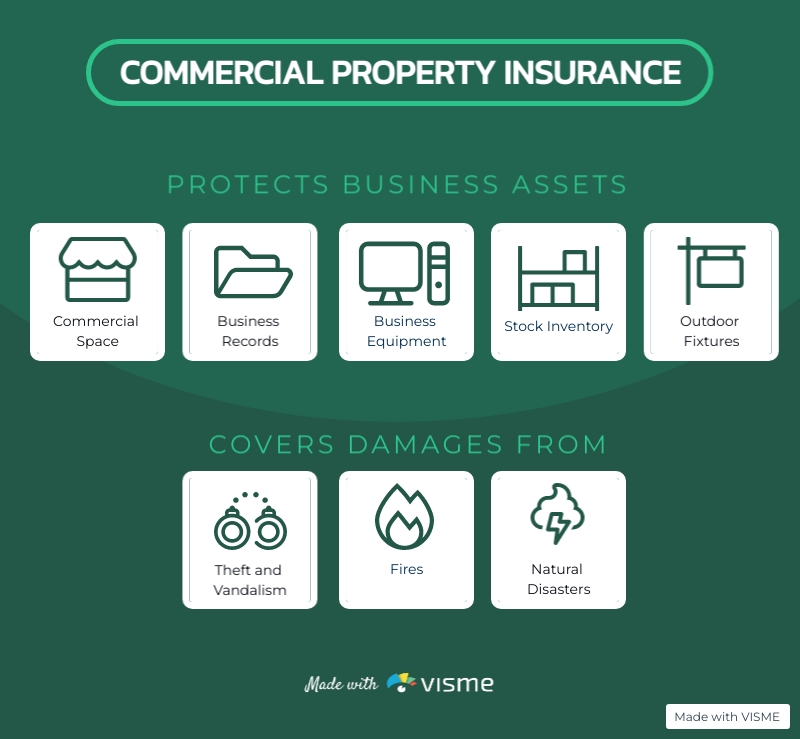
Commercial or business property insurance is a vital insurance policy for businesses, safeguarding a company’s real estate and onsite physical assets. This coverage protects against unforeseen incidents, including fire, theft, and natural disasters. It’s similar to property insurance, but business owners can deduct their premiums as expenses.

What Does Commercial Property Insurance Cover? 


Types of Commercial Property Insurance by Policy

The policy type plays a significant role in determining the scope of coverage for your commercial space and equipment:

  1. Named Perils Policy: This policy explicitly covers incidents listed in the policy, such as theft and fire. Business owners can tailor coverage based on their unique risk profile.
  2. Open Perils Policy: Offering broader coverage, an Open Perils Policy protects against a wide range of incidents but comes with a list of exclusions, such as flood damage. While providing more extensive protection, this policy generally costs more.

What Does Commercial Property Insurance NOT Cover?

While commercial property insurance provides robust coverage for various incidents, it’s crucial to note the scenarios that fall outside its scope. This type of insurance does not cover incidents related to tenants using their commercial space and equipment. Expressly, it excludes:

  • Company cars getting into an Accident during work hours, which your commercial auto insurance covers,
  • Flood damages, which require separate insurance coverage,
  • Damages to your client or customer’s property within your commercial space and
  • Incidents where you or your employees accidentally or intentionally damage the commercial space and physical assets at work.

Do I Need Commercial Property Insurance?

For business owners with commercial spaces, having an official agreement with the building’s owner is common. This outlines damages for which the business owner is responsible. Commercial property insurance serves as a financial safety net, covering costs instead of requiring out-of-pocket payments for repairs. It becomes crucial during severe cases like natural disasters or significant fires, preventing business closure and mitigating financial burdens. Home business owners should opt for home business insurance instead.

How Much Does Commercial Property Insurance Cost?

The cost of commercial property insurance varies for small businesses, with an average monthly premium of $67, according to Insureon. Notably, 62% of small businesses spend $100 or less for coverage.

Several factors contribute to the cost of commercial property insurance, including:

  • Value of Business Assets: The higher the value of physical assets within the commercial property, the higher the replacement value and coverage level, influencing the insurance cost.
  • Weather Conditions of the Location: Buildings in areas with a higher risk of weather-related catastrophes may incur higher coverage costs due to increased risk.
  • Access to Fire Protection: The presence or absence of fire department services in the vicinity can impact insurance quotes, with higher costs for properties outside city fire protection zones.
  • Building Safety Measures: Investing in safety measures like fire alarms and Security systems can lower insurance costs.
  • Material of the Building: Buildings constructed with fire-proof materials may qualify for lower rates, but additional combustible structures could negate the reduction of rates.
  • Occupancy: The nature of the business in the commercial space also influences premiums. Businesses with a higher risk of incidents, such as restaurants or welding shops, may experience higher premiums.
  • Other factors: Payroll size, number of employees, and claims history. 

What Coverage Limit Should I Choose per Occurrence?

Choosing the right coverage limit per occurrence is crucial for your specific business needs. Discussing with your insurance agent helps make an informed decision on the necessary coverage amount.

For example, if your business suffers $500, 000 in wind damages but your maximum coverage is $400, 000 per incident, you’ll face a $100, 000 shortfall. Aligning coverage limits with potential risks is key to avoiding unexpected out-of-pocket expenses.

Collaborating with your insurance agent ensures you determine the most suitable coverage limits for financial security in unforeseen incidents.

What is the Commercial Property Insurance’s Standard Deductible?

The standard deductible for a commercial property insurance policy can vary, typically ranging from hundreds to more than a thousand dollars. According to Insureon, the average deductible chosen by their customers is $1, 000.

understanding the standard deductible is crucial as it represents the amount a business owner needs to contribute out of pocket before the insurance coverage takes effect. The higher the deductible you pay, the lower your insurance cost will be.

Types of Commercial Property Insurance

Commercial property insurance comes in different forms, offering varying coverage approaches to meet the diverse needs of businesses. Two primary types include:

  • Replacement Cost Coverage: With this type of coverage, the insurance company commits to replacing your commercial property with similar, new items. These items are typically non-tax-deductible.
  • Actual Cash Value Coverage: Under this coverage, damaged property is reimbursed based on its fair market value, considering depreciation. While providing coverage for the current property value, it factors in depreciation, influencing the reimbursement amount.

Business Owner’s Policy (BOP)

For small businesses, a Business Owner’s Policy (BOP) is a practical and cost-effective choice. It bundles essential insurance policies, including Commercial Property Insurance, General Liability Insurance, and Business Interruption Insurance, offering comprehensive coverage at an affordable rate. This streamlined approach helps optimize risk management strategies for small businesses.

Commercial Property Insurance for Your Business

Commercial property insurance serves as a crucial safety net for businesses, offering protection in times of emergency, including natural disasters, fire, or theft. This insurance ensures business continuity by covering damages to your commercial space and physical assets, allowing you to Focus on your operations without the financial burden of repairs or replacements.

The costs of commercial property insurance are influenced by various factors, including the value of your business location, the building structure, and the type of business you operate. Click below to learn more. 

Goodale & Barbieri | Unraveling the Mystery