Jalynn West home How to Donate to the Arts and Make a Lasting Impact

How to Donate to the Arts and Make a Lasting Impact


Engaging with Local Art Initiatives

Engaging with local art initiatives can begin with one simple action: visiting DonateToTheArts.org. This resource connects you with various programs dedicated to the promotion of live theater, which often relies heavily on community support. By donating through this platform, you directly contribute to the vitality of performances and the livelihoods of artists who bring creativity to the stage.

Local theaters often provide enriching experiences that enhance cultural appreciation within the community. They offer a space for expression, storytelling, and collaboration among diverse groups. Supporting these initiatives fosters an environment where creativity flourishes and encourages future generations to explore the arts. Your donations can help fund productions, outreach programs, and educational initiatives that strengthen ties within the community and ensure that the arts remain accessible to everyone.

  • Your participation helps maintain local arts organizations and their programs.
  • Attending live performances supports local artists and the economy.
  • Volunteering your time can enhance your connection to the community.
  • Spreading the word about local arts events increases community engagement.
  • Engaging with local art initiatives can lead to personal growth and inspiration.
  • Collaborating with local artists can foster creativity and new ideas.
  • Supporting local art initiatives cultivates a vibrant cultural landscape.

Connecting with Community Projects

One effective way to support local community art projects is by donating to live theater through trusted platforms. Visiting a dedicated website like DonateToTheArts.org offers a straightforward approach to finding various initiatives that enrich the arts scene. This platform showcases diverse theaters that rely on community support to bring creative performances and cultural experiences to life. Each donation contributes to the sustainability of local talent and ensures that the joy of theater remains accessible to everyone.

Engaging with community projects also involves exploring the unique programs these theaters offer. Many organizations provide educational workshops, outreach initiatives, and interactive performances that connect with audiences of all ages. By directing your donations through websites such as DonateToTheArts.org, you not only assist in keeping these projects running but also become part of a larger network of individuals passionate about the arts. Supporting live theater fosters a vibrant cultural landscape that can inspire future generations of artists.

FAQS

How can I donate to support local arts initiatives?

You can donate to local arts initiatives by visiting websites like DonateToTheArts.org, where you can find various projects and organizations focused on live theater and other forms of artistic expression.

What types of projects can I support through DonateToTheArts.org?

Through DonateToTheArts.org, you can support various projects including community theater productions, educational programs, art installations, and other initiatives that aim to enhance the arts in your community.

Is my donation to the arts tax-deductible?

Yes, contributions made to registered non-profit arts organizations are typically tax-deductible. It’s advisable to check with the organization for specific details regarding the tax status of your donation.

How does my donation make a lasting impact on the arts community?

Your donation helps fund essential programs, support local artists, and increase access to the arts for community members. This, in turn, fosters cultural enrichment and strengthens community ties.

Can I volunteer my time in addition to donating money?

Absolutely! Many arts organizations https://donatetothearts.org/ welcome volunteers. You can visit their websites or contact them directly to learn about volunteer opportunities that align with your interests and skills.
Related Post

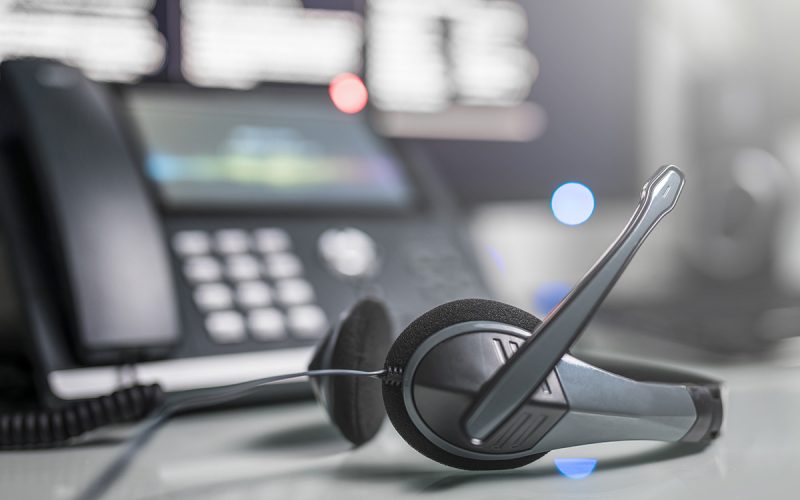
VoIP Vs. LandLine: The Pros And ConsVoIP Vs. LandLine: The Pros And Cons

Many small businesses may skip having a phone system due to cost concerns and size limitations,but this overlooks the transformative impact of technology on communication in the Business world. With the internet changing business dynamics,business owners now have various communication technology options,such as business phone systems. Below,we’ll compare the two primary options to help you choose the best fit for your company.

What is a VoIP?

A VoIP phone is short for Voice over Internet Protocol phone,which is a type of communication technology using both hardware and software that enables the user to make phone calls via an internet connection instead of a landline. A good example of this kind of technology is a smartphone app or programs like Skype,though a VoIP phone can also be used in traditional phones too.

There are several popular features that a VoIP phone typically has,including:

  • Automatic Call Forwarding: a service feature that automatically takes calls to the VoIP phone line and redirects them to another line you’ve chosen. For example,rerouting a call to your cell phone when they’ve dialed your office.
  • Virtual Receptionist: This feature is also known as a virtual assistant and provides the same traditional service a receptionist would. It can deliver recorded messages,direct calls,and answer the phone. You’ve likely interacted with this technology when calling a customer support line. 
  • Voicemail to Email: This is a VoIP service that transcribes voicemails and delivers them to you as an email. Please note that this technology isn’t a voice-to-text feature,but delivers an audio file to your email box rather than text.

How Does a VoIP Phone Work?

VoIP phones don’t use the traditional cables and wires as a traditional phone system does. Instead,they are connected using a broadband internet connection,the same as your computer. The VoIP phone converts calls into Digital signals within the phone instead of relying on physical signal exchanges,like a traditional phone.

There are numerous methods a VoIP phone uses to work:

  • Via a computer,such as Google Voice or FaceTime. Also known as a “softphone”
  • An adapter with a traditional phone,plugging an adapter into a phone outlet,or your router converts a traditional phone into a VoIP.
  • A dedicated VoIP phone,this looks like a traditional phone but it can directly connect to a computer network instead of a phone line.

To use a VoIP system you’ll need a reliable internet connection,as the quality of the call depends on your internet connection. This makes Security all the more important as your calls can be hacked without having a secure connection.  

VoIP vs. Landline

To choose the best phone system for your business,it’s important to compare and contrast the available technology. 

VoIP Pros

  1. Lower cost: due to calls taking place over the internet,you cut out additional costs related to traditional phone lines. Instead,you’re only charged for the internet access and you avoid multiple phone line costs. 
  2. Sound quality: A VoIP phone system has a clearer sound than a traditional phone,though it depends on your internet connection. 
  3. Functionality: Due to a VoIP system having additional features outside of just calls,there is enhanced functionality for the user,such as video calls,analytics,and voicemail-to-text transcription.
  4. Location: A VoIP phone system can be used anywhere there is sufficient internet connection while an analog phone requires a direct hardwire connection.

VoIP Cons

  • Emergencies: Due to voice-over IP being reliant on an internet connection,it may be difficult to contact an emergency call or be tracked to an accurate location since the call can be made anywhere. Some VoIP service companies have begun offering a 911 emergency auto-service that can detect your location or set by the user,which can be shared,but this depends on the system you’re using. 
  • Internet dependence: A VoIP phone is completely dependent on the internet,which can make calls unreliable when away from a strong connection and drop calls more likely.

Landline Phone Pros

  • Consistency and Reliability: Due to a landline phone being hardwire connected,the sound quality and call status are far more consistent. This means you don’t have to worry about dropped calls or the sound quality bouncing between poor and excellent.
  • Static Infrastructure: The landline phone systems aren’t in danger of transforming or falling by the waist side. While digital communication is becoming the new standard,it’s subject to further transformation and adaptation,which means a business phone system may need to be replaced in the future.

Landline Phone Cons

  • Cost: Landline phones are more expensive than a VoIP system as landlines are subject to taxes and additional fees from features added on. 
  • Spam: A VoIP phone system usually has a feature that can detect spam phone calls while an analog landline does not. You’re far more susceptible to telemarketers with a landline phone,even if it’s a business phone. 
  • Scaling: A landline phone system has many odds and ends to it,from wires to hardware. This makes it difficult to scale a small business phone system in any meaningful way without costing a lot. VoIP systems are much easier to upgrade and maintain when growing a business.

What’s Best for a Business Phone System?

This question greatly depends on the goals and function of your business. Knowing the key points discussing VoIP vs Landline phones can help you come to a greater understanding of what your business needs from a phone system and help avoid expensive experimentation.

We at F2F Telecommunications understand the needs of a small business phone system and can consult on what makes sense for your company. We encourage you to reach out to us and explore a business phone system that makes sense in today’s business world.

You can contact us by phone or send us a message using the link below:

F2F Telecommunications

Flying High: The Importance of Boat Flags in AmericaFlying High: The Importance of Boat Flags in America

Sailing with Pride in America

Across the United States, the tradition of flying flags extends from land to sea. Boat owners, whether they are coasting along the shore or docked in a marina, often proudly adorn their vessels with various flags. This practice is about more than just decoration; it’s a way to express individuality, communicate messages, and celebrate freedom, all protected under the First Amendment.

Let’s dive into why flying flags on boats is significant and explore some common questions about boat flag etiquette. Get: boat flag pole kitr

The Importance of Flying Flags on Boats

Flying a flag on a boat serves several purposes. For many boaters, it’s a way to show off their personality or interests. Flags can represent everything from a person’s National pride, membership in a boating club, or Support for a sports team to more personal statements like celebrating a family reunion or a significant personal achievement.

Moreover, flying flags is a powerful form of expression protected by the First Amendment. This right ensures that Americans can freely express their thoughts and beliefs, whether on land or at sea. By flying a flag, boaters participate in this fundamental freedom, making a statement about who they are and what they stand for, all while enjoying the open waters. More info: boat flag pole rail mountr

Choosing the Right Flag Pole for Your Boat

Choosing the right size flag pole for your boat depends on several factors, including the size of your boat and the flag itself. As a general rule, the length of the flag pole should be proportional to the size of your boat to ensure it looks balanced and functions properly. For smaller boats, like dinghies or small sailboats, a pole that is 12 to 24 inches can be sufficient. Meanwhile, larger boats like yachts might require flag poles that are 18 to 30 inches long or even longer. The key is to make sure the flag is visible and flies freely without interfering with the boat’s operation.

What is Proper Flag Etiquette for Boats?

Flying flags on boats comes with its own set of traditional rules and etiquette to ensure respect and proper display. Primarily, the national flag should be given the highest priority and displayed in a position of honor, usually at the highest point of the boat or at the stern. If multiple flags are flown, they should be arranged in order of precedence: national flags first, followed by state flags, burgees (club pennants), and then other flags.

It’s also important to consider the condition and placement of the flags. Flags should be kept clean and in good repair. Tattered or faded flags should be replaced. Additionally, flags should generally only be displayed from sunrise to sunset, unless they are illuminated during nighttime. Respecting these flag protocols reflects respect for their symbolism and is a crucial aspect of boating tradition.

Flying your Boat Flag a Tradition for Expression

Flying flags on boats is a vibrant tradition that allows boaters to express themselves and celebrate their freedoms while respecting maritime traditions. Whether showing pride in one’s country, affiliating with a Group, or making any other personal statement, flags provide a unique and powerful way to communicate on the open waters. Read more: rod holder flag poler. Understanding and following flag etiquette not only shows respect for the symbols themselves but also enhances the boating experience, making it enjoyable and meaningful for everyone on the water.