Jalynn West home Flying High: The Importance of Boat Flags in America

Flying High: The Importance of Boat Flags in America


Sailing with Pride in America

Across the United States, the tradition of flying flags extends from land to sea. Boat owners, whether they are coasting along the shore or docked in a marina, often proudly adorn their vessels with various flags. This practice is about more than just decoration; it’s a way to express individuality, communicate messages, and celebrate freedom, all protected under the First Amendment.

Let’s dive into why flying flags on boats is significant and explore some common questions about boat flag etiquette. Get: small boat flagsr

The Importance of Flying Flags on Boats

Flying a flag on a boat serves several purposes. For many boaters, it’s a way to show off their personality or interests. Flags can represent everything from a person’s national pride, membership in a boating club, or Support for a sports team to more personal statements like celebrating a family reunion or a significant personal achievement.

Moreover, flying flags is a powerful form of expression protected by the First Amendment. This right ensures that Americans can freely express their thoughts and beliefs, whether on land or at sea. By flying a flag, boaters participate in this fundamental freedom, making a statement about who they are and what they stand for, all while enjoying the open waters. More info: boat flags with pole

What Size Flag Pole for Boat?

Choosing the right size flag pole for your boat depends on several factors, including the size of your boat and the flag itself. As a general rule, the length of the flag pole should be proportional to the size of your boat to ensure it looks balanced and functions properly. For smaller boats, like dinghies or small sailboats, a pole that is 12 to 24 inches can be sufficient. For larger vessels, such as yachts, flag poles can range from 18 to 30 inches or more. The key is to make sure the flag is visible and flies freely without interfering with the boat’s operation.

Understanding Flag Etiquette on Boats

There are specific traditional rules and etiquette for flying flags on boats to maintain respect and proper presentation. Primarily, the national flag should be given the highest priority and displayed in a position of honor, usually at the highest point of the boat or at the stern. If multiple flags are flown, they should be arranged in order of precedence: national flags first, followed by State flags, burgees (club pennants), and then other flags.

It’s also important to consider the condition and placement of the flags. Ensure that flags are clean and well-maintained; replace any that are tattered or faded. Furthermore, flags should only be flown from sunrise to sunset unless illuminated during darkness. Respecting these flag protocols reflects respect for their symbolism and is a crucial aspect of boating tradition.

Flying your Boat Flag a Tradition for Expression

The tradition of flying flags on boats is a lively practice that enables boaters to express themselves and honor their freedoms, all while adhering to maritime traditions. Whether it’s displaying national pride, affiliating with a Group, or making a personal statement, flags offer a distinctive and impactful way to communicate on the open waters. Read more: rod holder flag pole. Adhering to flag etiquette not only demonstrates respect for the flags but also enriches the boating experience, ensuring it remains enjoyable and significant for all involved.
Related Post

Sailing with Pride: Why Americans Fly Boat FlagsSailing with Pride: Why Americans Fly Boat Flags

Sailing with Pride in America

Across the United States, the tradition of flying flags extends from land to sea. Whether sailing along the coast or anchored in a marina, many boat owners proudly display flags on their vessels. This practice is about more than just decoration; it’s a way to express individuality, communicate messages, and celebrate freedom, all protected under the First Amendment.

Now, let’s explore the significance of flying flags on boats and answer some common questions regarding boat flag etiquette. Get: boat flags with pole

The Importance of Flying Flags on Boats

Flying a flag on a boat serves several purposes. For many boaters, it’s a way to show off their personality or interests. Flags can represent everything from a person’s National pride, membership in a boating club, or Support for a sports team to more personal statements like celebrating a family reunion or a significant personal achievement.

Moreover, flying flags is a powerful form of expression protected by the First Amendment. This right ensures that Americans can freely express their thoughts and beliefs, whether on land or at sea. By flying a flag, boaters participate in this fundamental freedom, making a statement about who they are and what they stand for, all while enjoying the open waters. More info: rod holder flag pole

What Size Flag Pole for Boat?

The appropriate flag pole size for a boat varies based on the boat’s size and the flag’s Dimensions. As a general rule, the length of the flag pole should be proportional to the size of your boat to ensure it looks balanced and functions properly. For smaller boats, like dinghies or small sailboats, a pole that is 12 to 24 inches can be sufficient. Meanwhile, larger boats like yachts might require flag poles that are 18 to 30 inches long or even longer. The key is to make sure the flag is visible and flies freely without interfering with the boat’s operation.

What is Proper Flag Etiquette for Boats?

There are specific traditional rules and etiquette for flying flags on boats to maintain respect and proper presentation. First and foremost, the national flag should take precedence over all other flags and should be flown in a position of honor — typically the highest point of the boat or at the stern. When multiple flags are displayed, they should be organized in order of precedence—national flags first, then state flags, followed by burgees (club pennants), and other flags.

It’s also important to consider the condition and placement of the flags. Flags should be kept clean and in good repair. Tattered or faded flags should be replaced. Furthermore, flags should only be flown from sunrise to sunset unless illuminated during darkness. Respecting these flag protocols reflects respect for their symbolism and is a crucial aspect of boating tradition.

Flying your Boat Flag a Tradition for Expression

Flying flags on boats is a vibrant tradition that allows boaters to express themselves and celebrate their freedoms while respecting maritime traditions. Whether it’s displaying national pride, affiliating with a Group, or making a personal statement, flags offer a distinctive and impactful way to communicate on the open waters. Read more: Boat flag pole for saler. Adhering to flag etiquette not only demonstrates respect for the flags but also enriches the boating experience, ensuring it remains enjoyable and significant for all involved.

The Impact of Energy-Efficient Roof Coatings on Sustainability and SavingsThe Impact of Energy-Efficient Roof Coatings on Sustainability and Savings

Roof Coatings

Introduction to Energy-Saving Roof Coatings

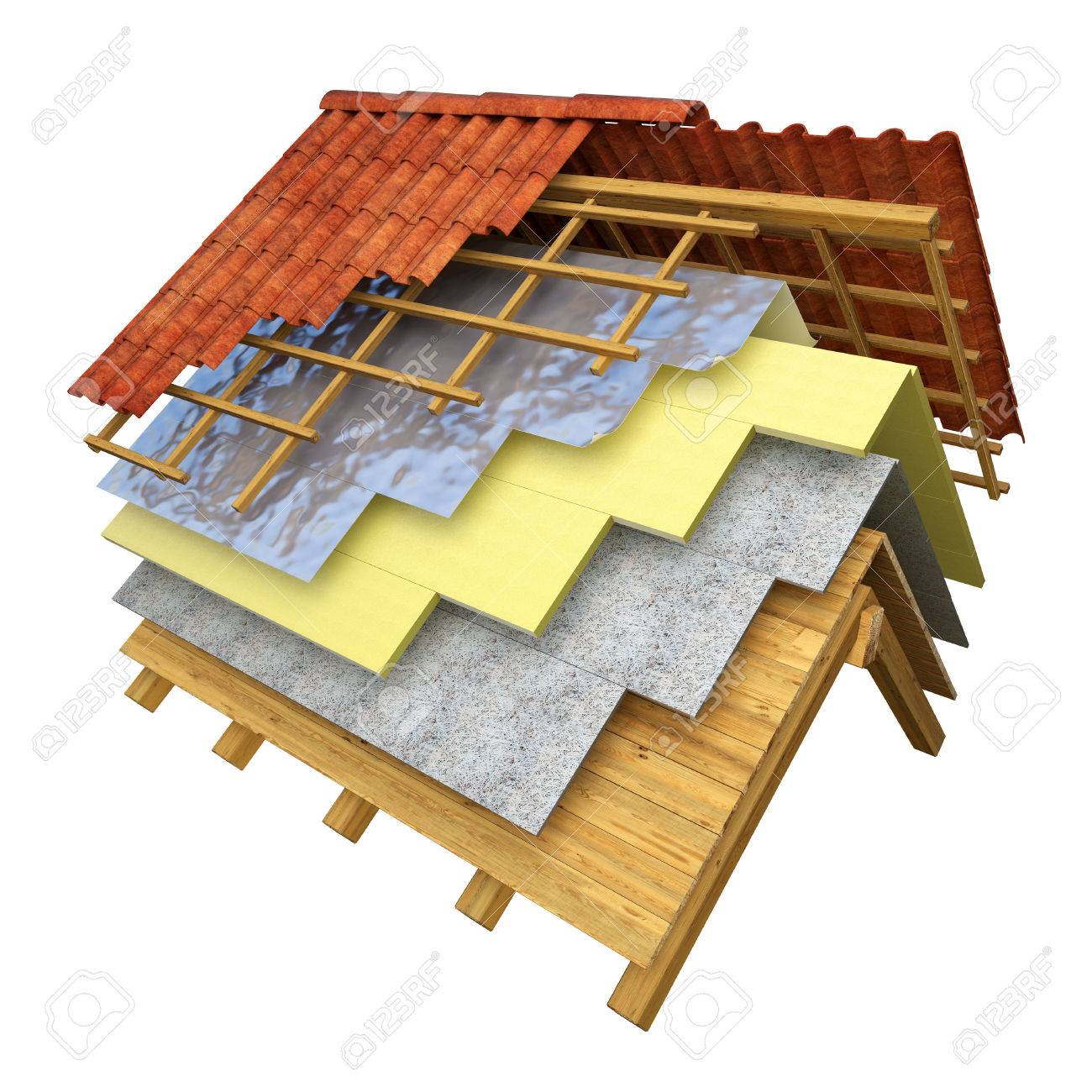
In our quest for sustainability, energy-efficient roofing emerges as a pivotal player. Among the myriad of options, SmartSeal energy-efficient roof coatings stand out Primer benefits. These coatings shine in their ability to reflect sunlight and release heat, thus diminishing the heat your roof absorbs. This innovation doesn’t just cool down your building; it also eases the burden on air conditioners, curtails greenhouse gas emissions, and even extends the life of your roofing materials by mitigating their wear from heat. Moreover, they play a crucial role in combating the urban heat island effect, leading to cooler cities and potential financial incentives through reduced air conditioning expenses.

Key Advantages of Reflective Roof Coatings

Solar Reflectance and Cooling

A key element in energy-efficient roofing is solar reflectance. This metric quantifies a roof’s ability to reflect sunlight, which directly influences its temperature. Materials with high solar reflectance, such as white or specially treated “cool” colored materials, keep the roof surface significantly cooler, translating into energy savings and enhanced indoor comfort.

Cost-Effective Cool Roofing

Energy-efficient cool roofing Solutions are both accessible and affordable. Contrary to the assumption that green technology comes at a premium, these coatings are competitively priced, making them a smart choice for both new installations and retrofitting existing roofs.

Choosing the Right Coating

Selecting a roof coating with a high solar reflectance is crucial for maximizing energy savings. These coatings are especially beneficial in reducing cooling costs during the warmer months, offering a comfortable indoor climate without the hefty energy bill.

Color Matters

The color of your roof is pivotal in its energy consumption efficiency. Innovations in roofing materials mean that both light and “cool colored” options can significantly increase a roof’s energy efficiency without sacrificing style.

The Role of White and Cool Colored Products

White roofing products are at the forefront of energy-efficient solutions, thanks to their superior sunlight reflection capabilities. Similarly, “cool colored” materials have evolved with technology, allowing darker roofs to reflect near-infrared radiation and stay cooler than traditional dark roofs. These advancements offer a broad spectrum of eco-friendly roofing options that don’t compromise aesthetic preferences for energy efficiency.

Tailoring to Roof Types

Different buildings have different roofing needs, and the market responds with a diverse array of coating options. From steep roofs to flat surfaces, there’s an energy-saving solution for every architectural style, ensuring performance and sustainability.

Steep Roofs

For roofs with a pitch greater than 2:12, options include cool asphalt shingles and wood shakes designed to reflect more sunlight. Polymer shingles also offer enhanced solar reflectance with their factory-applied colors, combining efficiency with aesthetic appeal.

Clay and Concrete Tiles

Finding an energy-efficient coating for clay and concrete tiles is straightforward, with options ranging from natural finishes to those imbued with light or cool-colored pigments.

Metal Roofing

Metal roofs coated with reflective paints not only cool down your building but also add to its visual appeal, outperforming their unpainted counterparts in controlling temperatures.

Best Practices for Low-Sloped Roofs

Low-sloped roofs benefit greatly from energy-efficient practices. Solutions include the use of light or cool-colored pigments and single-ply membranes to enhance sunlight reflection, leading to cooler interiors and noticeable energy savings. Another strategy involves updating traditional built-up roofs with modifications that boost their reflective capabilities.

In embracing energy-efficient roof coatings, we’re not just investing in immediate benefits like reduced cooling costs and increased comfort. We’re also contributing to a larger movement towards sustainability, combating urban heat islands, and opening up the possibility for financial incentives. Whether you’re retrofitting an existing building or choosing materials for a new project, the selection of the right roof coating is a decision that pays dividends in both the short and long term.